
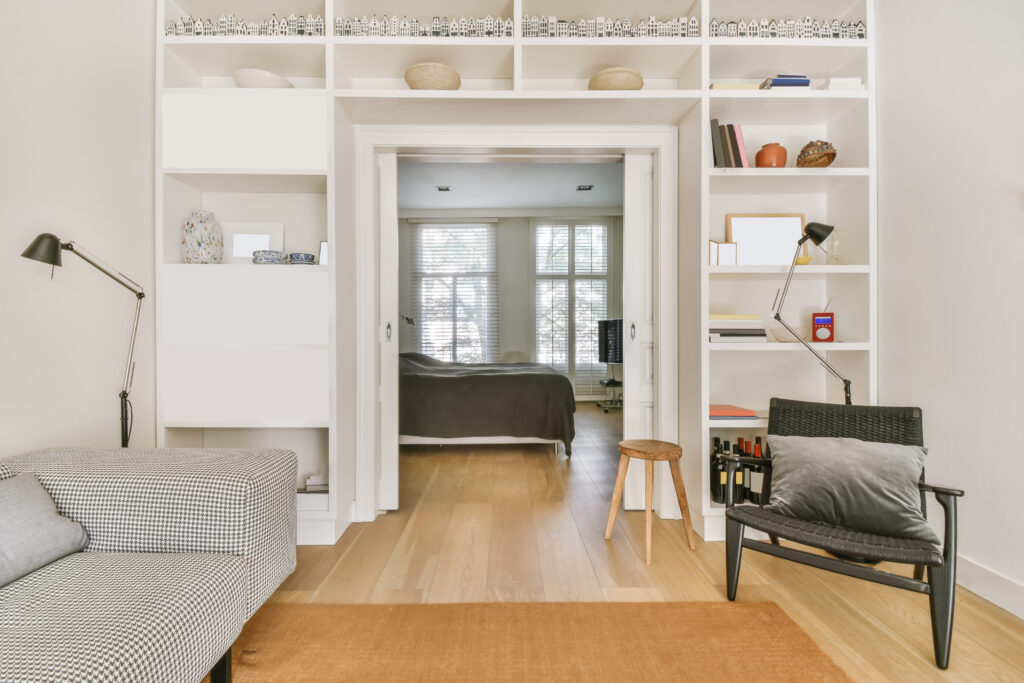
Homeowners ask us this question almost every week. They’re browsing inspiration online, searching for custom built-ins near me, and trying to figure out what actually works in a real home—not just in a showroom photo. After designing and installing custom built-in cabinets across Toronto, Mississauga, Oakville, and Vaughan, we’ve learned that the most popular custom built-in styles all come down to three things: how your home is built, how you live in it, and how much flexibility you want long term.
Below is a clear, honest breakdown of the styles homeowners are choosing most often in 2025, with real-world insights from our design team and projects we’ve completed.
Custom Built-In Styles Explained: Modern, Traditional, and Transitional Designs
Most made-to-order built-ins fall into one of these categories. The key is not forcing a trend, but matching the style to your space and lifestyle.
Modern Built-Ins: Clean, Minimal, and Purpose-Driven
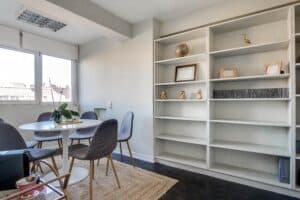
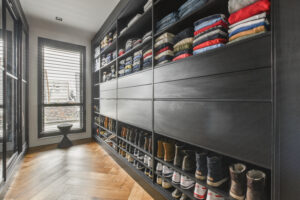
Modern built-ins are a top choice for condos, new builds, and open-concept homes. We often design these for clients who want storage without visual clutter.
Common features of modern built-ins:
- Flat-panel doors with little or no trim
- Integrated handles or push-to-open hardware
- Neutral tones like white, grey, or warm wood
- Floating shelves mixed with closed storage
One Toronto client came to us frustrated with bulky furniture that made their living room feel smaller. We designed modern built-ins with vertical shelving and hidden storage below. The room instantly felt wider, cleaner, and easier to use.
Modern built-ins work especially well when:
- You want a streamlined look
- Your space is smaller or open concept
- You prefer function-first design
Traditional Built-Ins: Timeless and Architectural
Traditional built-ins never go out of style. We see these most often in older homes across Oakville and Vaughan, where original architecture matters.
Key elements of traditional built-ins:
- Raised panel or shaker-style doors
- Crown moulding and decorative trim
- Warm wood tones or soft painted finishes
- Symmetry and balanced proportions
In one Mississauga home, we rebuilt a living room wall to include floor-to-ceiling traditional built-ins with detailed trim. The homeowner told us it felt like the room was “always meant to look this way.”
Traditional built-ins are ideal if:
- Your home has classic or heritage details
- You want long-term resale appeal
- You prefer a warm, finished look
Transitional Built-In Designs: The Most Popular Choice Right Now
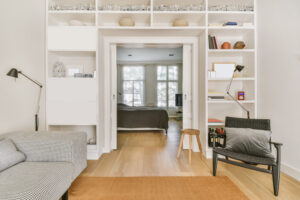
If there’s one style dominating custom built-in installation requests, it’s transitional. Transitional built-in designs blend modern simplicity with traditional warmth.
What defines transitional built-ins:
- Clean lines with subtle trim
- Shaker-style doors without heavy detailing
- Neutral colors with natural textures
- A balance of open shelving and closed cabinets
We’ve seen transitional built-ins work beautifully in family homes where tastes differ. One partner wants modern. The other prefers classic. Transitional design keeps everyone happy.
According to Eugene Bershadsky, Senior Designer and Sales Manager at Impressions Kitchens, “Transitional built-ins give homeowners flexibility. They don’t date quickly, and they adapt well if you renovate other parts of the home later.”
Most Popular Custom Built-Ins for Living Rooms, Offices, and Bedrooms
Different rooms call for different approaches, even within the same style.
Living room built-ins often focus on:
- Media storage with hidden wiring
- Display shelving balanced with closed cabinets
- Proportions that frame fireplaces or TVs
Home office built-ins usually prioritize:
- Vertical storage for documents
- Built-in desks sized for real work
- Adjustable shelving for changing needs
Bedroom built-ins are designed around:
- Wardrobe and closet storage
- Reading nooks or headboard walls
- Calm finishes that don’t overwhelm the space
We’ve learned that built-in shelving design services work best when the room’s daily use drives the design—not trends.
Modern vs Traditional Built-Ins: Which Style Fits Your Home Best?
If you’re torn between modern built-ins and traditional built-ins, here’s a simple way to decide:
- Newer homes and condos often suit modern or transitional styles
- Older homes with trim and detail lean traditional or transitional
- Mixed homes usually land in transitional territory
Your architecture should always lead the decision.
How Custom Built-In Styles Impact Storage, Function, and Home Value
Well-designed custom built-in cabinets don’t just look good. They solve problems:
- Better use of wall height
- Storage built exactly for your items
- Improved room flow and organization
We’ve seen homes sell faster and photograph better after installing custom built-ins. Buyers see them as permanent value, not furniture they’ll replace.
When clients ask about custom built-ins cost, we’re transparent. Style affects pricing, but layout, materials, and complexity matter more. A simple modern unit can cost less than an ornate traditional design—or vice versa—depending on the details.
As Eugene Bershadsky explains, “The most expensive mistake is choosing a style that doesn’t fit your home. When the design fits, the investment always feels worth it.”
Popular Built-In Cabinet Styles and How to Customize Them for Your Space
No two homes need the same solution. That’s the advantage of made-to-order built-ins. You can adjust:
- Door style
- Finish and color
- Shelf spacing
- Hardware
- Lighting integration
That flexibility is what prefab options can’t offer.
Ready to Explore Custom Built-In Styles That Fit Your Home?
If you’re thinking about custom built-ins near you and want honest guidance—not guesswork—we’re here to help. Impressions Kitchens designs and installs custom built-ins across Toronto, Mississauga, Oakville, and Vaughan. Book a design consultation to explore styles, layout options, and realistic costs based on your space. The right built-in should feel like it was always part of your home—and we’ll help you get there.
More Information:
Canadian Kitchen Cabinet Association