
Homeowners ask us this all the time. Should they invest in custom built-ins or go with prefabricated storage that looks good and costs less upfront? We’ve worked with both. We’ve installed fully custom cabinetry and helped clients replace prefab units that no longer worked. Here’s what we’ve learned after years in real homes, not showrooms.
At Impressions Kitchens, we help clients across Toronto, Mississauga, Oakville, and Vaughan decide what actually makes sense for their space, budget, and long-term plans. This guide breaks it down in plain language.
Custom vs Prefab Cabinetry: What’s the Real Quality and Cost Difference?
Prefab cabinetry is built in standard sizes. It’s mass-produced and designed to fit most spaces reasonably well. Custom built-ins are designed for one home, one wall, one purpose.
Here’s the real difference we see in practice:
- Prefab cabinets often use thinner materials and surface finishes
- Custom built-ins use thicker panels, stronger joinery, and better hardware
- Prefab saves money upfront but may need replacement sooner
- Custom costs more initially but lasts much longer
We’ve seen clients replace prefab units in under five years due to sagging shelves or damaged finishes. Custom built-ins, when done right, often last decades.
As Eugene Bershadsky, Senior Designer and Sales Manager at Impressions Kitchens, explains:
“Most clients don’t realize how much daily wear built-ins take. Custom cabinetry is built to handle that stress long-term, not just look good on install day.”
Custom Built-Ins vs IKEA Furniture: Which Option Lasts Longer?
Flat-pack furniture is designed for convenience. It’s easy to transport and quick to assemble. Longevity isn’t the top priority.
Custom built-in furniture is anchored to walls, floors, and ceilings. That matters.
We’ve personally tested this difference. One client installed prefab shelving in a family room. Within two years, shelves bowed under books and décor. We replaced it with a custom built-in using reinforced shelving and wall attachment. Five years later, it still looks new.
Longevity comes down to:
- Load-bearing design
- Material thickness
- Installation method
- Hardware quality
Prefab units work for light use. Custom built-ins are better for heavy, daily use.
Are Custom Built-Ins Worth It Compared to Prefab Cabinets?
This depends on how you use the space.
Custom built-ins cost more upfront. There’s no way around that. But value isn’t just about price.
Custom built-ins make sense when:
- The space has odd dimensions
- Storage needs are specific
- The room is used daily
- You want a seamless, built-in look
Prefab cabinets make sense when:
- Budget is tight
- The space is temporary
- You plan to move soon
- Storage needs are minimal
We’ve seen homeowners spend twice by buying prefab first, then replacing it later. Planning ahead often saves money.
Custom Built-Ins vs Semi-Custom Cabinets: What Homeowners Should Know
Semi-custom cabinets sit between prefab and fully custom.
They offer:
- Limited size adjustments
- A set range of finishes
- Faster turnaround than full custom
But there are limits.
Semi-custom cabinets still won’t fit unusual wall lengths perfectly. You may end up with filler panels or wasted space. Fully custom built-ins are designed to use every inch.
Eugene puts it simply:
“Semi-custom is a good compromise, but it’s still a compromise. Custom gives you control over every detail.”
IKEA Alternatives Explained: Custom Built-Ins vs Prefabricated Storage
Many homeowners search for IKEA alternatives cabinetry because they want a cleaner look without the DIY feel.
Here’s what typically changes when switching to custom:
- No visible gaps or fillers
- Flush edges and consistent reveals
- Built-ins that look like part of the home
- Better integration with trim and walls
One client in Oakville wanted a built-in media wall that looked original to the house. Prefab units left gaps on both sides. Custom allowed us to design wall-to-wall storage with hidden wiring and soft-close doors.
Custom vs Prefab Cabinetry for Living Rooms, Offices, and Closets
Different rooms need different solutions.
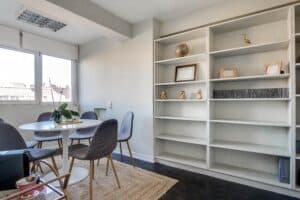
Living rooms benefit from custom cabinets for living room spaces where symmetry and scale matter. Media units, shelves, and storage look intentional when custom.
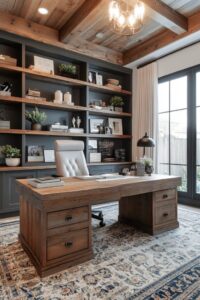
Home offices often need exact desk heights, cable management, and file storage. Custom built-in installation makes workspaces more comfortable and efficient.
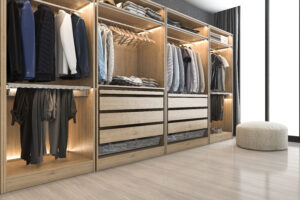
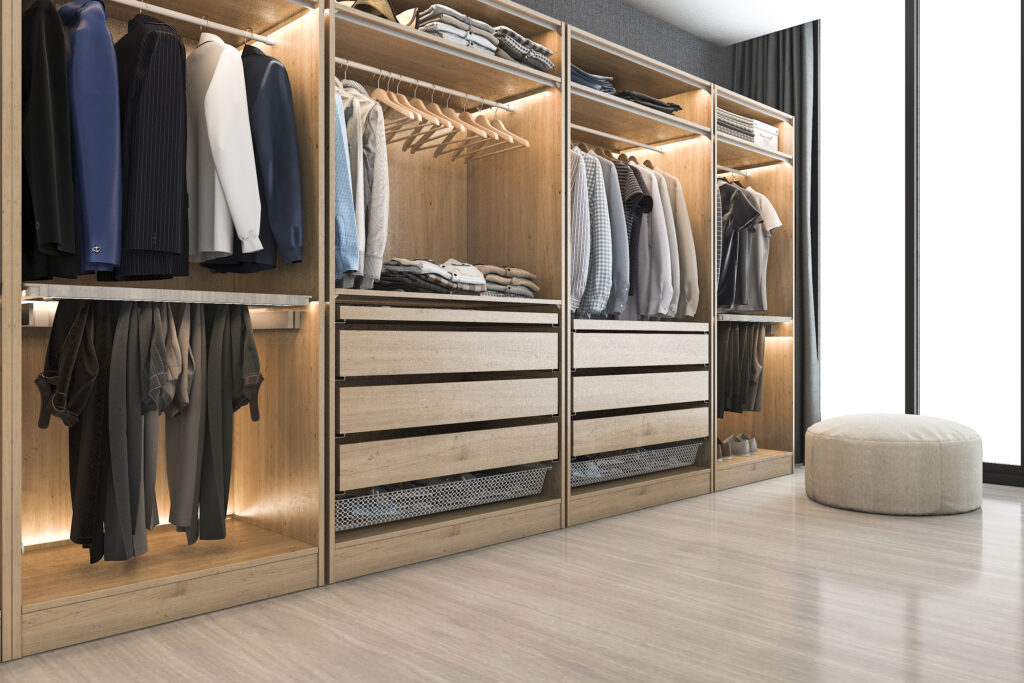
Closets are where prefab struggles most. Standard sizes leave unused space. Built-in storage solutions designed to your wardrobe maximize every inch.
Quality, Fit, and Finish: Comparing Custom Built-Ins to Prefab Units
This is where the difference is most visible.
Custom built-ins offer:
- Exact wall-to-wall fit
- Consistent door alignment
- Paint or finishes matched to your home
- Professional installation
Prefab units often show:
- Gaps at walls
- Uneven doors over time
- Limited finish durability
- Visible fasteners
Fit and finish impact how long cabinetry looks good, not just how it works.
When Custom Built-Ins Make More Sense Than IKEA or Flat-Pack Furniture
Custom is the better choice when:
- You want a permanent upgrade
- Resale value matters
- The room is a focal point
- Storage needs are complex
We worked with a family renovating before listing their home. The custom built-ins we installed became a major selling feature. Buyers commented on them during showings.
Prefab vs Custom Built-Ins: Which Adds More Value to Your Home?
Custom cabinetry services almost always add more perceived value.
Buyers see custom built-ins as part of the home. Prefab units feel replaceable.
Custom built-ins cost more, but they also:
- Improve daily function
- Enhance room design
- Increase buyer appeal
- Reduce future replacement costs
As Eugene notes:
“Custom built-ins aren’t just storage. They’re an investment in how your home lives and how it’s valued.”
If you’re weighing custom vs prefab cabinetry and want honest advice, we’re happy to help. At Impressions Kitchens, we design and install custom built-ins that fit your space, your needs, and your long-term plans. Reach out for a consultation and let’s figure out what makes the most sense for your home.
More Information:
Canadian Kitchen Cabinet Association